What Is a Running Toilet Really Costing You?
Most people have heard it before.
You flush the toilet, walk away, and a few minutes later you still hear water running. Maybe it eventually stops. Maybe it keeps going until you jiggle the handle.
It doesn't seem like a big deal.
The truth is, a running toilet can waste a surprising amount of water and quietly increase your monthly utility bill. While it might seem like something you can deal with later, putting it off often ends up costing more than you realize.
The good news is that many running toilet problems are straightforward to diagnose and repair. Knowing what causes the issue is the first step toward fixing it.
Why Does a Toilet Keep Running?
Inside every toilet tank are several parts that work together to refill the tank after each flush.
When one of those parts wears out or stops working correctly, water continues flowing into the bowl long after it should have stopped.
Sometimes the problem is obvious. Other times it's so quiet you barely notice it until your water bill starts climbing.
How Much Water Can a Running Toilet Waste?
More than most homeowners expect.
Even a slow, continuous leak can waste hundreds of gallons of water over the course of a month. In more severe cases, that number can climb into the thousands.
That means you're paying for water you're never actually using.
It's one of the most common reasons homeowners notice an unexplained increase in their water bill.
If your bill suddenly jumps and your family's water habits haven't changed, a running toilet is one of the first things worth checking.
Common Reasons a Toilet Keeps Running
Several different issues can cause a toilet to run continuously.
A Worn Flapper
The flapper creates a seal at the bottom of the tank.
Over time, rubber wears out, becomes brittle, or no longer seals completely. Water slowly leaks into the bowl, causing the toilet to refill again and again.
This is one of the most common toilet repair issues homeowners experience.
A Faulty Fill Valve
The fill valve controls how much water enters the tank after each flush.
If it sticks, wears out, or becomes damaged, water may continue flowing even after the tank is full.
Sometimes you'll hear the toilet running constantly. Other times it cycles on and off throughout the day.
The Float Needs Adjustment
The float tells the toilet when enough water has entered the tank.
If it's set too high or isn't working properly, water continues filling until it spills into the overflow tube.
The toilet keeps trying to correct itself, creating an endless cycle.
Problems with the Chain
Sometimes the fix is surprisingly simple.
If the chain connected to the handle is too tight, too loose, or gets caught underneath the flapper, it can prevent the flapper from sealing completely.
Even a small adjustment can sometimes solve the problem.
Is It Really Worth Fixing?
In most cases, yes.
A running toilet isn't usually an emergency, but it's one of those plumbing problems that almost always gets more expensive the longer it's ignored.
Beyond higher water bills, continuous water flow puts extra wear on the toilet's internal components. What begins as one worn part can eventually affect others.
Addressing the problem early is often the simplest and least expensive solution.
Can You Fix It Yourself?
There are a few things homeowners can safely check.
Start by removing the tank lid and looking for anything obvious.
Check for:
- A flapper that isn't sealing properly
- A chain that's tangled or too tight
- A float that's sitting unusually high
- Water flowing into the overflow tube
If you spot one of these issues, you may be able to make a simple adjustment.
However, if the toilet continues running after you've checked the basics, it's probably time for a closer look.
Avoid guessing or replacing multiple parts without knowing the actual cause. That often ends up costing more than fixing the problem correctly the first time.
When Should You Call a Plumber?
A professional inspection is a good idea if:
- The toilet runs continuously.
- It keeps starting and stopping on its own.
- You've already replaced parts and the problem returned.
- Your water bill suddenly increased without explanation.
- You're not sure what's causing the issue.
Sometimes the problem is inside the toilet.
Other times it may point to a larger plumbing issue that deserves attention.
A Small Repair Today Can Save You Money Tomorrow
A running toilet is easy to ignore because everything still seems to work.
But every extra gallon of water is money literally going down the drain.
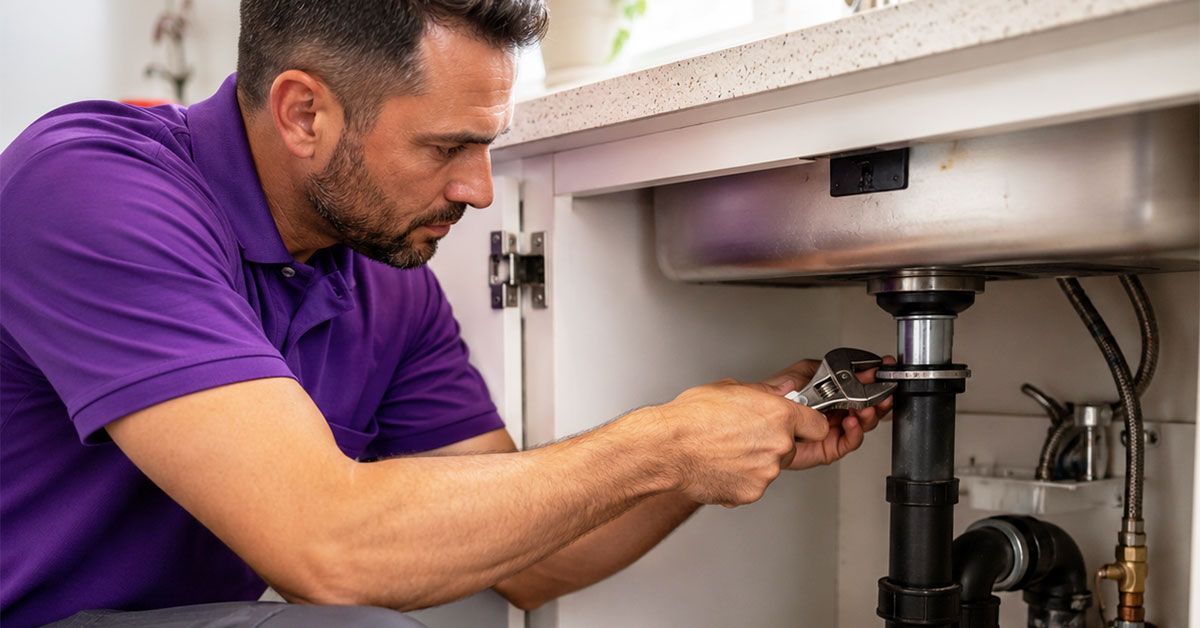
At Mammoth Plumbing, we believe in fixing the problem the right way, not selling you something you don't need. We'll inspect the toilet, explain what's causing the issue, and recommend the repair that makes the most sense for your home.
If your toilet won't stop running,
schedule a service visit with
Mammoth Plumbing. We'll help you stop wasting water, lower unnecessary utility costs, and get everything working the way it should again.
Frequently Asked Questions
Is a running toilet considered a plumbing emergency?
Usually no. While it doesn't normally require emergency plumbing service, it should be repaired promptly to prevent water waste and higher utility bills.
Why does my toilet run every few minutes?
This often means water is slowly leaking from the tank into the bowl. The toilet automatically refills the tank when the water level drops.
Can a running toilet increase my water bill?
Yes. Even a small, continuous leak can waste hundreds of gallons of water over time and significantly increase your monthly bill.
Should I replace the toilet or repair it?
In many cases, replacing a worn flapper, fill valve, or another internal component is all that's needed. A plumber can determine whether a repair or replacement is the better long-term solution.