You turn on the shower one morning and something feels off.
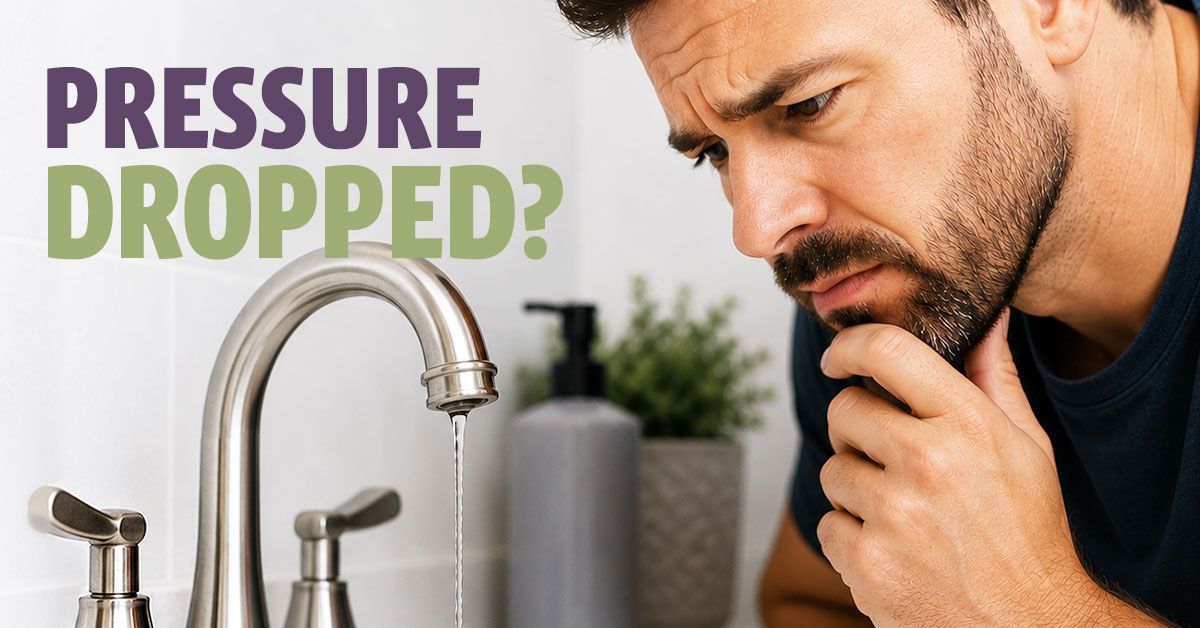
The water isn't coming out with the same pressure it did yesterday. Maybe the kitchen faucet seems weaker too, or it takes longer to rinse dishes or fill a pot.
A sudden drop in water pressure is frustrating, but it's also your plumbing system's way of telling you something has changed. Sometimes the fix is simple. Other times, it points to a larger plumbing issue that shouldn't be ignored.
The good news is that identifying the cause early can often prevent more expensive repairs down the road.
Let's look at some of the most common reasons your water pressure may suddenly drop.
Start by Asking One Simple Question
The first thing to figure out is whether the problem affects one fixture or your entire home.
If only one sink, shower, or faucet has low water pressure, the issue is usually isolated to that fixture.
If the water pressure has dropped throughout the house, the cause is more likely somewhere within the plumbing system or even the municipal water supply.
Knowing the difference helps narrow down where to start.
Mineral Buildup Can Restrict Water Flow
Hard water is common throughout Ohio, and over time it can leave mineral deposits inside faucet aerators, showerheads, and plumbing fixtures.
As those deposits build up, they reduce the amount of water that can pass through.
The result is lower water pressure, even though your plumbing system is otherwise working normally.
If hard water has been an ongoing issue in your home, installing a
water softener & water filtration system can help reduce mineral buildup and protect your plumbing fixtures over the long term.
A Hidden Plumbing Leak
One of the more serious causes of low water pressure is a plumbing leak.
When water escapes somewhere in the system, there's less pressure available where you actually need it.
You may also notice:
- An unexplained increase in your water bill
- Damp spots on walls or ceilings
- Wet areas in the yard
- The sound of running water when nothing is turned on
A hidden leak isn't something that usually gets better on its own. If you suspect one, scheduling
leak detection as soon as possible can help limit water damage and identify the source before it becomes a larger repair.
Your Pressure Reducing Valve May Need Attention
Many homes have a pressure reducing valve, often called a PRV.
Its job is to keep incoming water pressure at a safe level for your plumbing system.
Like any mechanical part, it can wear out over time.
If the valve begins to fail, you may notice a sudden change in water pressure throughout the entire house.
Because several different plumbing issues can produce similar symptoms, a professional inspection is usually the best way to determine whether the PRV is actually the cause.
Don't Forget About Shut-Off Valves
Sometimes the explanation is surprisingly simple.
If a shut-off valve isn't fully open after recent plumbing work, it can restrict water flow to part or all of the house.
It's an easy thing to overlook, but it's always worth checking before assuming there's a larger plumbing problem.
Could It Be the City's Water Supply?
Not every water pressure issue starts inside your home.
Municipal water main repairs, maintenance work, or temporary supply issues can also affect water pressure.
If your neighbors are experiencing the same problem, it's possible the issue is outside your home's plumbing system.
Even so, if the problem continues after municipal work has been completed, it's a good idea to have your plumbing inspected to rule out issues inside your home.
When Low Water Pressure Is Only Affecting Hot Water
If the pressure only drops when you're using hot water, the issue may not be your plumbing system at all.
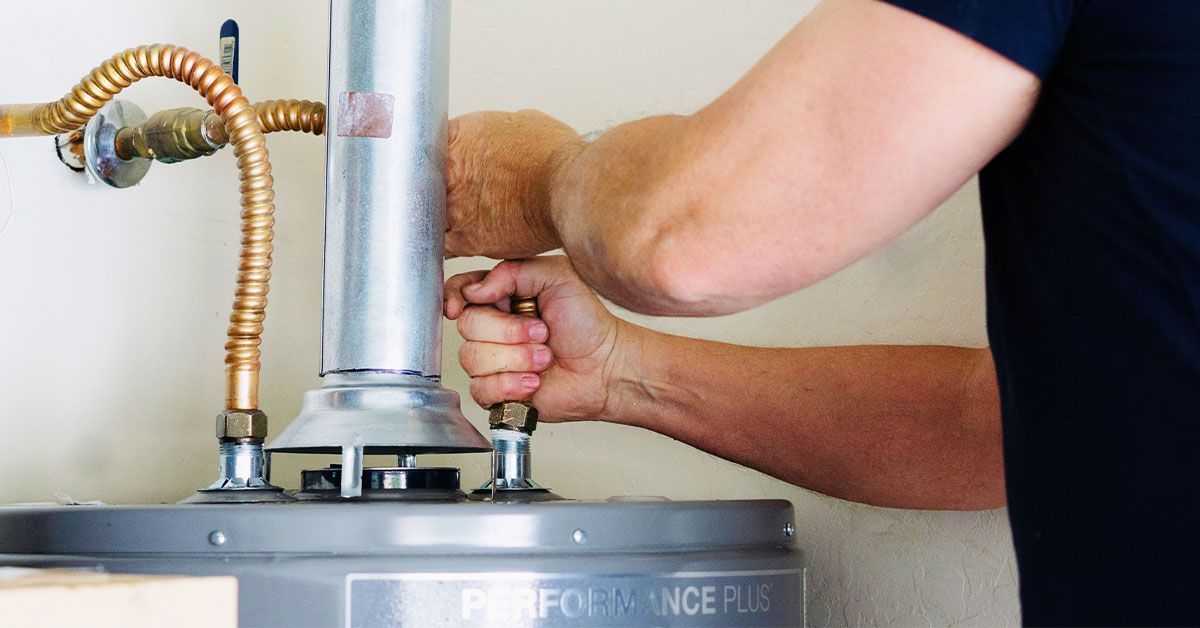
In some cases, sediment buildup or aging components inside the water heater can reduce hot water performance.
If that's happening, our article on
Why Your Water Heater Isn't Keeping Up Like It Used To explains several common causes and what homeowners can do about them.
When Should You Call a Plumber?
It's time to have your plumbing inspected if:
- Water pressure suddenly drops throughout the house.
- Only one fixture has consistently poor pressure after cleaning the aerator.
- Your water bill unexpectedly increases.
- You suspect a hidden plumbing leak.
- The problem keeps getting worse.
- You're unsure what's causing the change.
Trying to guess the cause often leads to unnecessary repairs or replacing parts that aren't actually the problem.
A professional inspection helps identify the real issue so you can make an informed decision about what needs to be done.
Don't Ignore a Sudden Change
Most plumbing systems don't change overnight without a reason.
A sudden drop in water pressure is often an early warning sign that something needs attention. Sometimes it's a simple fix. Other times, addressing the problem early can help prevent water damage or more expensive plumbing repairs later.
At Mammoth Plumbing, we believe in giving homeowners honest answers. We'll inspect your plumbing system, explain what we find in plain language, and recommend the solution that makes the most sense for your home. If it's a simple repair, we'll tell you. If it's something more involved, we'll walk you through your options without the pressure.
If you've noticed a sudden change in your home's water pressure,
contact
Mammoth Plumbing to schedule an inspection. We'll help you find the cause and get your plumbing working the way it should again.
Frequently Asked Questions
Why did my water pressure suddenly drop overnight?
Common causes include hidden plumbing leaks, mineral buildup, a failing pressure reducing valve, partially closed shut-off valves, or municipal water supply issues.
Can hard water reduce water pressure?
Yes. Over time, mineral deposits can build up inside faucet aerators, showerheads, and plumbing fixtures, restricting water flow. A
water softener & water filtration system can help reduce future buildup.
Should I worry if only one faucet has low water pressure?
Not necessarily. If only one fixture is affected, the issue is often localized to that faucet or showerhead. Cleaning the aerator may solve the problem.
How do I know if I have a hidden plumbing leak?
Warning signs include higher water bills, damp walls or ceilings, wet spots in the yard, or hearing running water when nothing is turned on.
The
U.S. Environmental Protection Agency's WaterSense program also provides helpful information about identifying household leaks and conserving water. It's a great resource for homeowners who want to better understand how their plumbing system affects water use.
https://www.epa.gov/watersense